Drama Term Tuesday #7

Historification

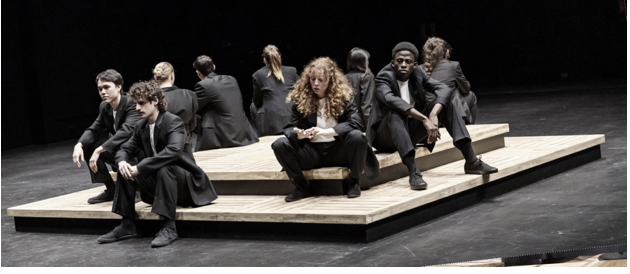
A convention favoured by Brecht, which uses historical events to comment on events of the present.

The technique is used to alienate the audience from emotional identification and as such have a greater didactic impact.

See also A-Effect/Alientation, Brechtian Drama, Epic Drama

Excerpt from Drama Key Terms and Concepts

Drama Term Tuesday #6

Victorian Drama

Notable for technical innovation but is tended to be dismissed for its approach and content. 

During the reign of Queen Victoria which covered most of the 19th century, English drama showed the ascendancy of actors and managers and the lowering of the status and importance of playwrights. There was a move to entertainments and popular theatre forms such as music hall and a preference for melodrama, domestic tragedy and sentimental comedy. 

Excerpt from Drama Key Terms and Concepts

Drama Term Tuesday #5

Mark

Hitting the mark

Marking through a performance

Hitting the mark: when an actor moves to a prearranged place on the stage on given lines.

Marking through a performance: in rehearsal when an actor goes through the actions and lines but does not give a fully committed performance; most often used for technical rehearsals and to preserve the voice in opera rehearsals. 

Excerpt from Drama Key Terms and Concepts

Drama Term Tuesday #4

Futurism

20th century theatre movement focusing on the “dynamism of the Machine Age”; rejected all former stage practice and argued for the inclusion of the dramatic energy of other forms such as circus, music hall and  cabaret; a compression of drama into brief situations.


Influenced many later 20th Century innovations such as the use of new technologies, multimedia approaches and environmental theatre.

Excerpt from Drama Key Terms and Concepts

Drama Term Tuesday #3

Readers theatre

Staged reading

A performance where the dramatic script is read aloud rather than memorized; costumes and simple settings may or may not be used; focus and limited movement feature strongly; although the play has been rehearsed the actors are familiar with their lines but there is no attempt to pretend  that they are not reading.

See also chamber theatre

Excerpt from Drama Key Terms and Concepts

Drama Term Tuesday #2

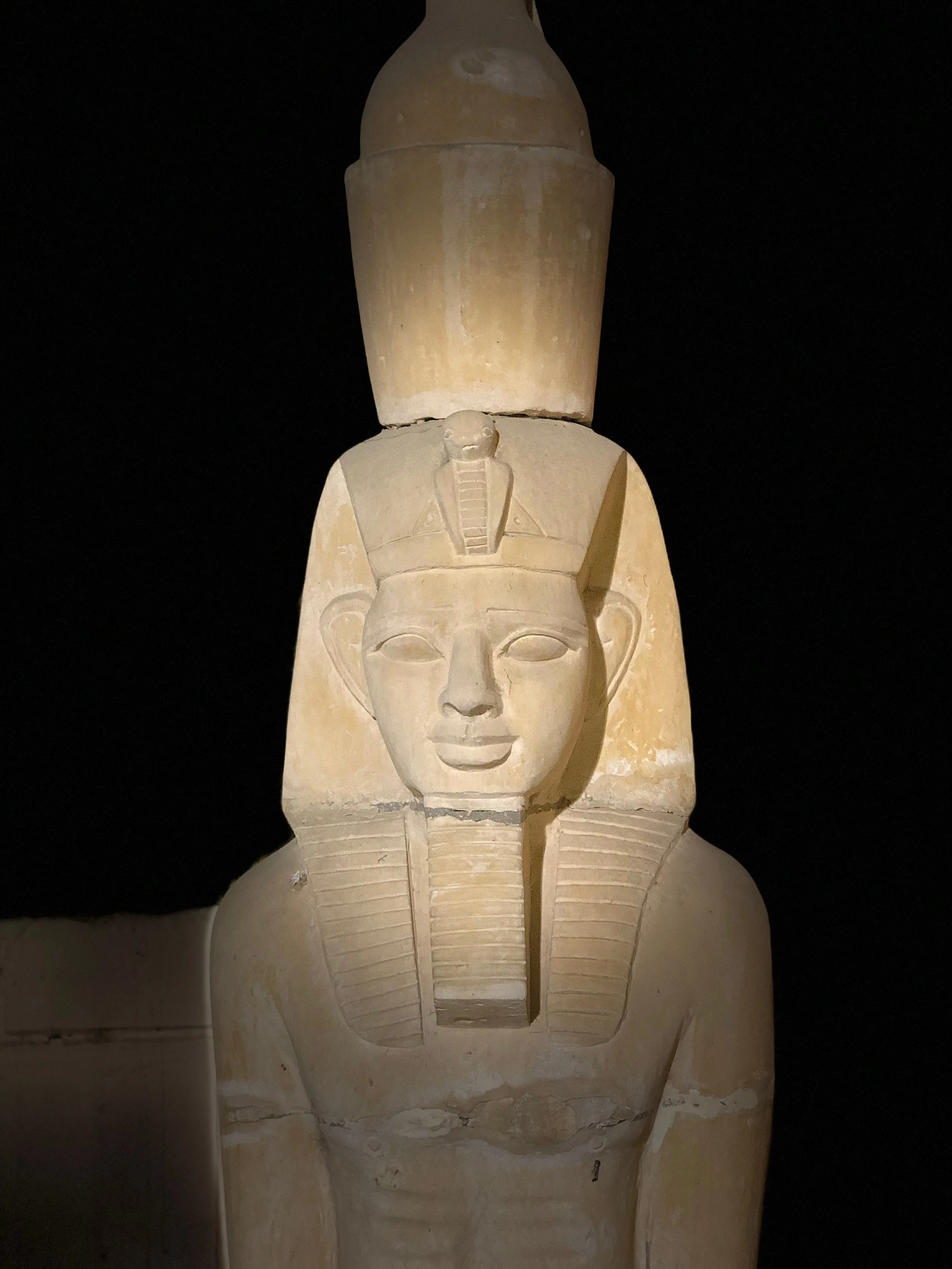
The Valley of the Kings.  Photo by Robin Pascoe.

The Valley of the Kings. Photo by Robin Pascoe.

This weeks Drama Term Tuesday is inspired by Robin Pascoe’s recent trip to Egypt to attend the World Alliance for Arts Education Summit.

Egyptian Drama

Has its origins in coronation rituals in the early Dynastic Period (3100 - 2686 BC) with key elements of enactment and dialogue. In the Old Kingdom (2686 - 2181 BC) ritual drama explored mysteries of creation, life and death and the con flight between good and evil.

On ascending the throne, every King of Egypt became Horus, on of Osiris and Isis, and the story was enacted during annual festivals. By the time of the Middle Kingdom (2133 - 1786 BC) there is evidence of a civilisation of frequent holidays, ceremonies, parades, amusements, music and celebrations. Osiris plays continued into the Christian era.

The Valley of the Kings. Photo by Robin Pascoe

The Valley of the Kings. Photo by Robin Pascoe

Later Egyptian drama reflected the conquerors from Greece and Rome.

Some extant fragments of Egyptian drama include:

  • The Triumph of Horus

  • The Memphite Drama

  • The Abydos Passion Play

  • Books of the Dead

Excerpt from Drama Key Terms and Concepts

Drama Term Tuesday #1

Boulevard Theatre

Developed on the streets of Paris in the late 18th century, popular and bourgeois theatre companies set up on the Boulevard du Temple, performing crime stories and melodramas.

Fireworks, clowning and pantomime added to the boulevard repertoire, which developed into the commercial theatre of Paris.

Has also come to mean light commercial theatre.

See also French theatre.

Excerpt From: Drama Key Terms and Concepts.