
York - evoking our shared past.

Held over from the COVID-19 cancelled Black Swan season, York finally is on stage at the State Theatre Centre.
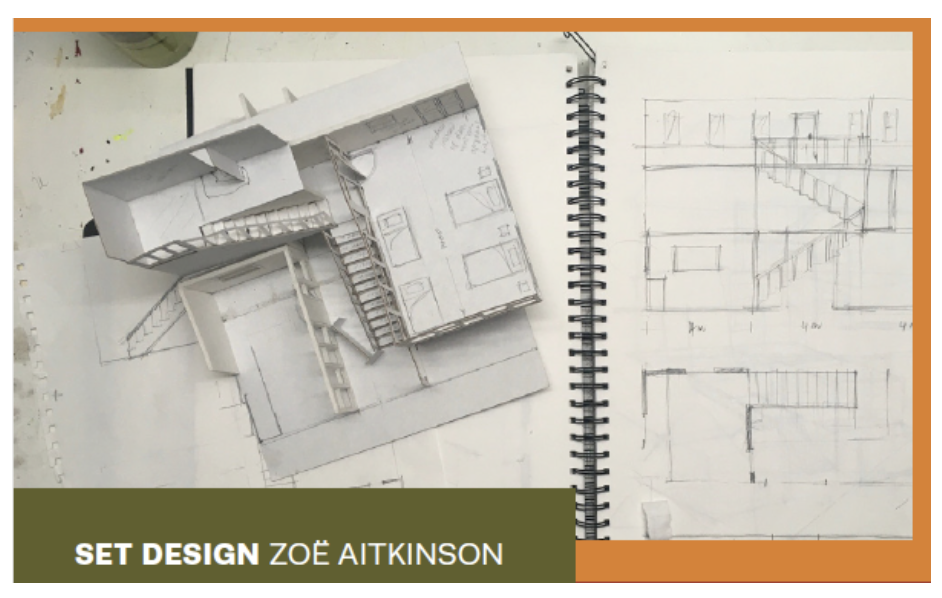
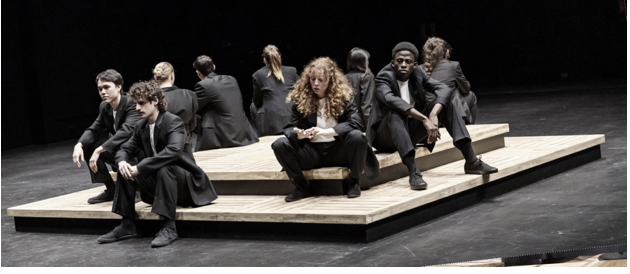
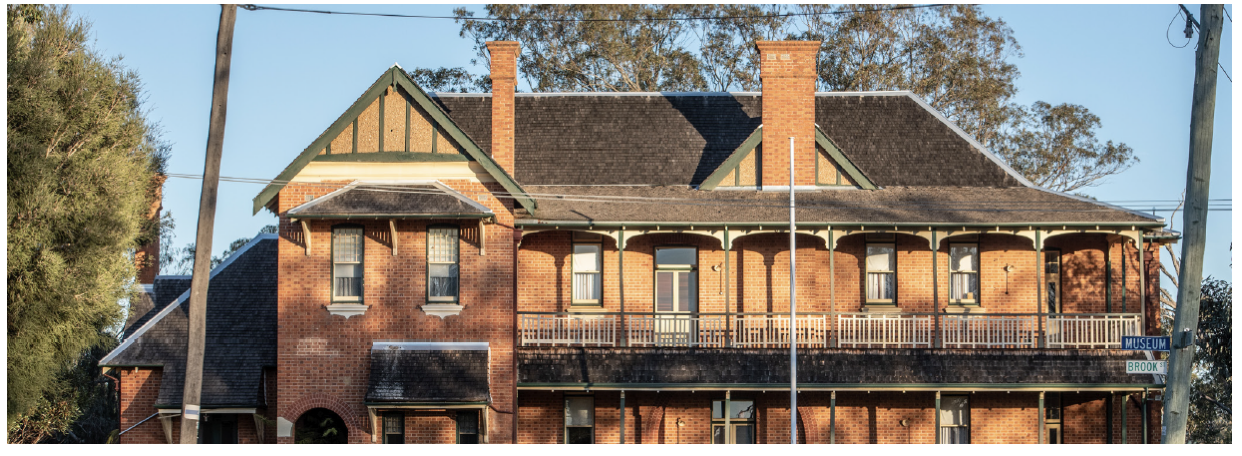
The curtain rises on a monumental multi-level set in weathered and faded greys rising in layers from the stage floor. 

A tree changer couple are moving into the old building – the reputedly haunted former Hospital in the rural town of York over the escarpment from Perth. As one of the partners is left alone to unpack, the house starts to assert a ghostly presence on her life. Flickering lights and power surges. Ghostly  aboriginal child wandering through the space. 

Scene changes to 1985 and the arrival of a troop of scouts led by whistle blasting mums (fond of sitting on the verandah with cask wine after the kids are sent to their dorm for the night to tell scary stories and scare the younger ones. This part of the play draws on memes of jolly good fun Enid Blyton adventure stories from a childhood in another century morphing into RL Styne Goosebumps story for another. The characters are larger than life caricatures, played for comic effect, evoking generations of campfire stories to scare the whatsits from children. 
Screen Shot 2021-07-21 at 10.29.39 PM.png

My son Ben, born 1992, reminded me of his Year 4 camp to  the Old Hospital and the scary stories shared after lights out. A rich source of collective Western Australian memory. The people behind me in interval reminisced about being in the scouts and the Gang Show. 

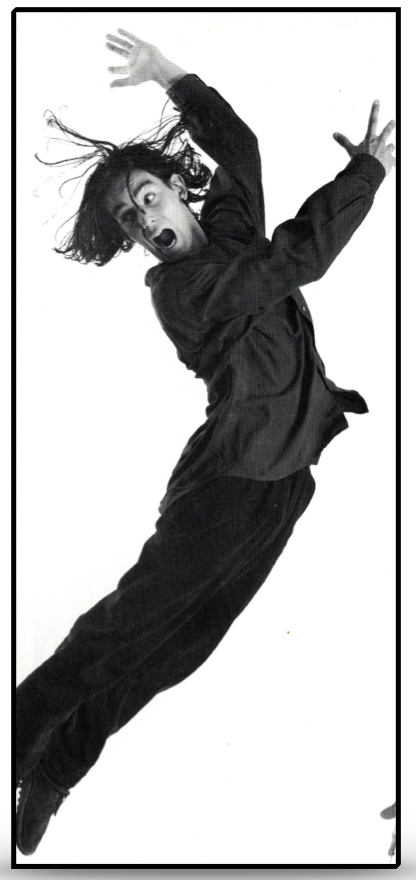
There was plenty of deft stage trickery and work for the Stage Crew with faulty electricity. Radios crackling to life. Jugs that fly off the bench. Ghost-like figures materialising then disappearing. Lighting effects. Sound effects. Short scenes, more reminiscent perhaps of a film script (you can see the likely film slated already). A StageManger’s nightmare or dream!

Act 2 moves further back in time to when the hospital housed returned soldiers suffering flashbacks to WW1 trenches and the story of the Matron who, against police as policies of the times, treated gave aid to an aboriginal child suffering the Influenza pandemic. Neat touch for these pandemic times. The Matron is, of course, the ghostly figure from Act 1. The demise of the Matron was somewhat arbitrary and I felt that the storyline truncated. The straight line plotting from Point A to Point B is unashamedly obvious.

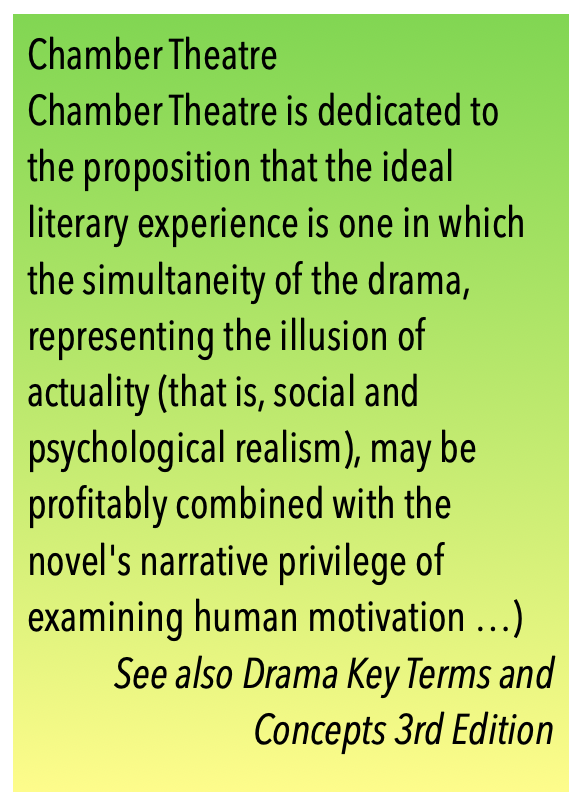
The next part goes to the days of first settlement, when early settlers and First Nations people come into contact. Initial feelings of fear and distrust, early attempts to build relationships, senseless killings and retribution. The eventual hunting of the fugitive. This section is played on the apron of the stage in front of the set. The actors stand arrayed narrating directly to the audience. When you think about it, this is consistent with Nyoongar traditions of Yarning and storytelling (but I couldn’t help think it was straight from the playbook of R.S. Breen, Chamber Theatre and Northwestern, with a dash of Brecht thrown in.) This story of first contact and disillusionment lies at the heart of the sadness driving this play. Told with simplicity and a moving lack of sentimentality, the darker history of place and culture are brought into focus.  

Through this section, I wished that some stage magic had been invoked and the looming presence of the set been softened in someway. Perhaps a scrim or lighting effect. At the end of the section, there was a sense of relief when with sound and projected imagery, the set was flooded with images of ghost gums. This use of imagery earlier would have been a stronger way of suggesting how the building imposed on the land cannot overpower the potency of the land itself. The land is ever present. This could have been usefully strengthened in all the previous scenes. It would have softened the suggested reality of a filmic approach with an appropriate theatricality.

The play calls forth stories of boodja (country or land in Nyoongar language). In one sense there is recognition that the house and the land have a timelessness – they are not in one time but in all times. The past is present in the land. All experiences of the land are palimpsest of what has gone before - faded images drawn over what happened before. 

 Every act before sends a shockwave through the land, like ripples in a river of time, and it shakes the buildings where we live and shifts the earth on which we stand. Irene, Act
 Recently I’ve been revisiting some writing from 1992 and re-working it (for my own enjoyment, nothing more). A line from what I wrote then still resonates with me is that time is not an arrow. In this play, the sense of a straight line connection – ghostly Matron to living Matron, for example – feels a little bit obvious as if the writers don’t trust the audience to get it. The layers of the play are clearly stratified, perhaps a little too obviously. The final section of the play gives some  feel for that multi layering of time, returning to the opening couple and the reminder of another deaths in custody incident – the open wound of an unresolved history of settlement and reconciliation.

A strong production which will resonate with Western Australian audiences that reinforces the power of theatre to put our contemporary lives into perspective.
Screen Shot 2021-07-21 at 10.30.56 PM.png

A side conversation to be had about the title York. It feels a little prosaic. Accurate geographically, true. Like so many places in colonial Western Australia, the names of other places are superimposed on country with no regard for the long imprint of time. A title with more sense of multi-layered ambiguity would work better for me.

Interesting that this is announced as a co production of Black Swan and WAYTCO. I am not sure what the connection is – could the younger characters be played by youth actors. That is not to say that the likeable performers don’t successfully sketch in the younger ones. This could have been an opportunity to bring together generations. (Though those of us in the long game will note that Ben Mortley was himself a member of LYT/WAYTCO a while back). It would be great to see this play included for study by drama and history students. 
The Black Swan Resources for this production are outstanding. 

https://bsstc.com.au/learn/resources 

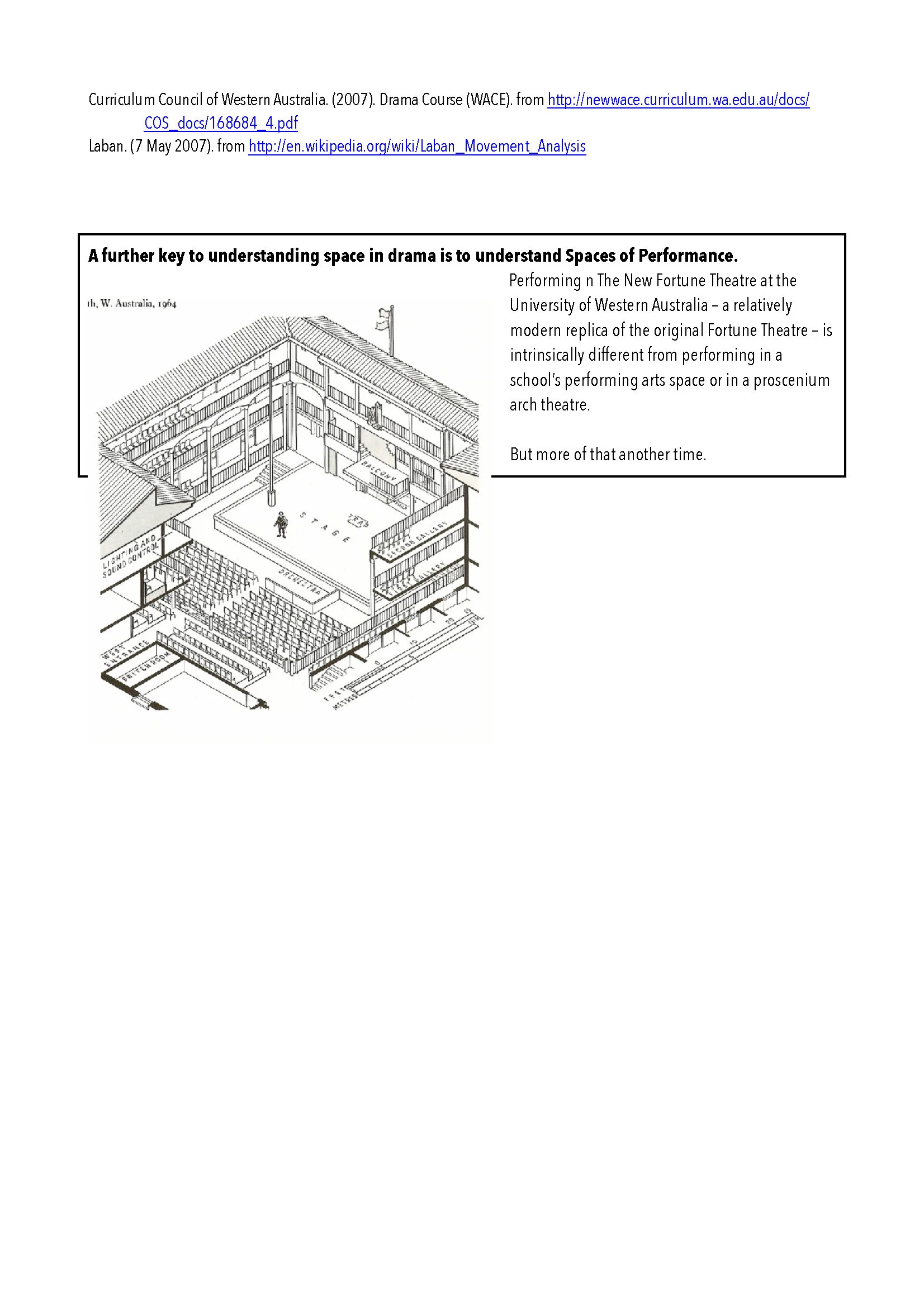
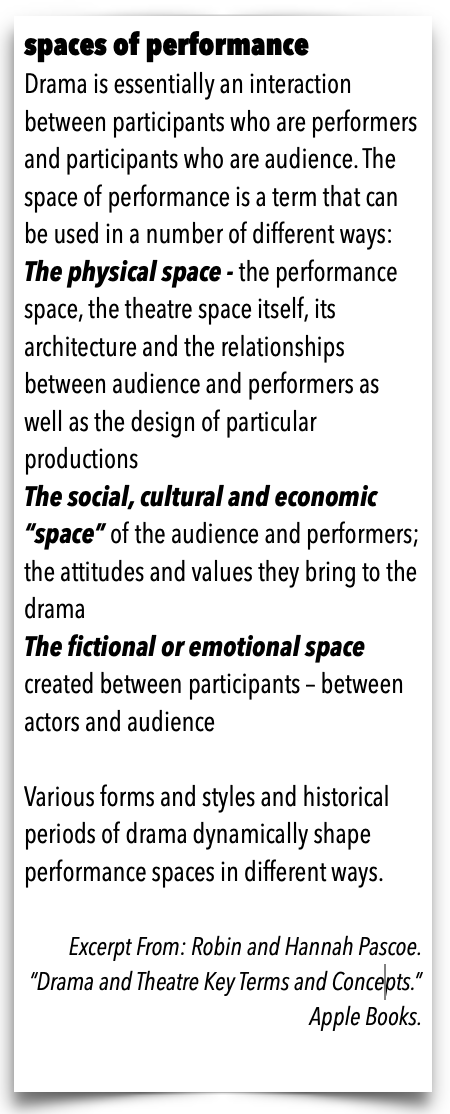
Drama Tuesday - Spaces of Performance

 Connecting drama students with their immediate world

There is a useful introduction to outdoor theatre included recently in the TheatreFolk site:https://www.theatrefolk.com/blog/theatre-history-introduction-to-outdoor-theatre/ 

There is a useful introduction to outdoor theatre included recently in the TheatreFolk site:

https://www.theatrefolk.com/blog/theatre-history-introduction-to-outdoor-theatre/ 

Drama has many spaces. It can be performed in purpose-built theatres. It can be performed in streets. with ingenuity, almost any space can be turned into a place to play. We teach our students ways about Spaces of Performance and recognising the challenges of making drama in found spaces.

Many schools in Western Australia have amphitheatres included in their design. Too often they become repositories of litter or passion pits for over excited students. Rarely, if ever, are they used for drama. 

There are obvious challenges in using an outdoor venue.

  • The weather is always a risk. It can rain or you and your cast can swelter in the heat/cold/wind.

  • There are technical challenges for lighting, sound equipment. What do you need so that your performers can be seen and heard? How do you run power? How do ensure that cables are safe (and safe in the weather)?

  • There’s also security to consider – does an outdoor performance mean that you have to bump in/out all the technical equipment each time you perform?

  • Sight lines and safety for audience (you don’t want to have someone’s Gran tumble down the steps).

  • Most importantly, what do you need to do preparing and rehearsing your students for the space:

  • Voice and projection

  • Vocal safety and health in outdoor settings

  • Protection from sun and wind

  • Managing props and costumes (costume changes when necessary)?

Overall, there are many things to consider when you work alfresco. But the rewards for your students are many. 

There is also an important benefit in that students are helped to consider that drama doesn’t always have to be performed in a purpose-built venue. 

And that there are opportunities for drama in their immediate geographic location if they are open to them. 

I was reminded of this reason for thinking about exploring spaces of performance in the local community. 

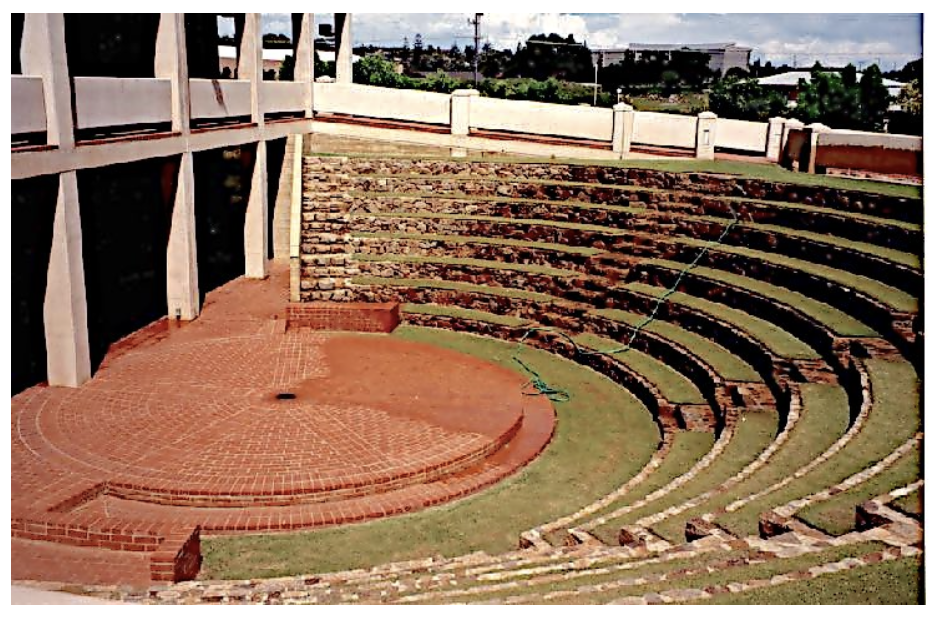
Amphitheatre, Geraldton, Western Australia

Amphitheatre, Geraldton, Western Australia

I took this photo during my time as Consultant for Drama. I had been working in a local secondary school and the drama teacher complained to me about the lack of local theatre for her students to visit. She went on to add that her school did not have a performing arts centre or theatre space and she taught in an “ordinary” classroom. For most of my time teaching in schools, I too taught in classrooms where the furniture was pushed back and we competed with the ambient noise from other classrooms. In that situation, there is only one thing to do: to reach out to the local community. In Merredin, we worked with the local Repertory Club and used their space, the Cummins Theatre a refurbished picture palace (that had been at one stage moved brick by brick from Coolgardie). At Armadale SHS, we found a performance space in the Pioneer Village, a replica music hall. Down the road from Armadale, the drama teacher at Kelmscott SHS performed Alex Buso’s play MacQuarrie in the courtyard outside the canteen.  

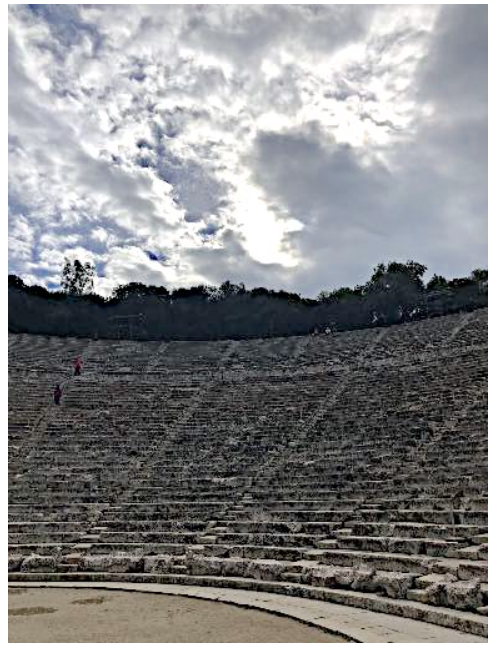
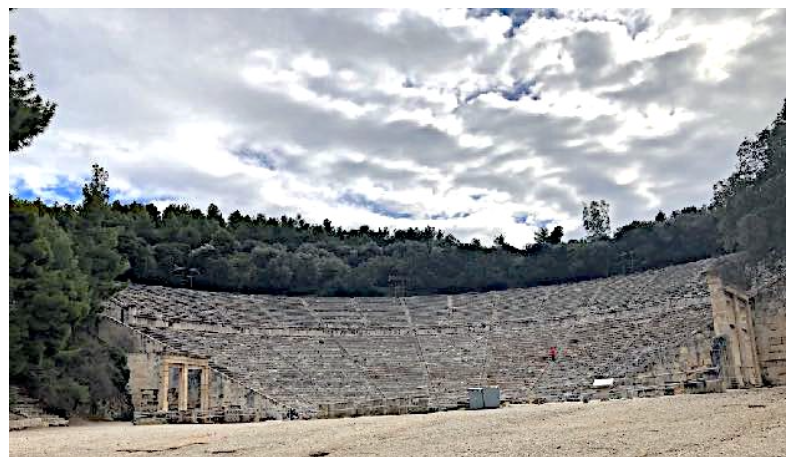
Breathtaking under threatening skies

Breathtaking under threatening skies

It is not the space that makes the drama.

What matters is how we fill the space. 

After I finished my conversation with the teacher, I had some time before getting back on the plane and drove around the local area. Outside the local Council buildings – 200 metres from the school – there is a full amphitheatre. I wondered if that teacher had ever thought of walking her drama class to the amphitheatre to explore ways of bringing Greek and Roman drama to life.


Drama spaces are waiting to found and filled by students.

The Theatre at Epidaurus

The Theatre at Epidaurus

Music Monday - Mentoring in music

A few weeks ago, I wrote about our 4-year-old grandson’s reactions to seeing a production of ‘Mary Poppins’ at John Curtin College of the Arts. What I didn’t talk about in that post was the orchestra.

John Curtin College of the Arts (JCCA) has a long history of putting on large scale musicals. Over the years the makeup of the orchestra has included all-student orchestras, small completely professional bands, and a mix of both. There is a strong argument for each of these, but from an educational point of view, maximum student participation is obviously preferred. A former head of music at the school achieved wonderful success with large, entirely student player orchestras; though it must be said that the audience got better sound towards the end of the run than on opening night - as the players gradually found more of the notes. Still, no one in the audience was ever in doubt that they were at a genuine school production.

Which brings me to the ‘Mary Poppins’ orchestra. This was made up of around 2/3 student players and the remaining 1/3 teachers. The driving force behind the decision was the fact that the ‘Poppins’ score is particularly difficult to play. But the benefits went far beyond that. I observed that the students’ playing went from strength to strength as they sat in among the professional teacher players. The sound from the pit was excellent right through the season. And everyone in the pit seemed to be having fun as well as learning.

Mentoring is such an important aspect of teaching and learning in music. Attempts are often made to formalise the process, and this has merit, however some of the best mentoring comes from informal interactions.

Much of what I have learned as a teacher of music and singing voice has been through formal study. Just as important, however, has been the interactions with more experienced mentors through the years – those wonderful practitioners you meet informally at conferences, as colleagues and in some unexpected settings – for me one such meeting occurred on an airline flight after a conference.

During the pandemic, our access to informal mentoring has been limited. In Australia we are not flying internationally to conferences yet - and the zoom chat box comes as a poor second best to live interactions. But we still have our work colleagues and social media.

As music teachers, we all have a part to play in the mentoring process – young teachers can benefit from chats with more experienced teachers, and older, more experienced teachers can give back by taking younger and less experienced teachers under their wing. It can be a wonderful, fun and valuable cycle.


Drama Tuesday - Making Drama Spaces your own

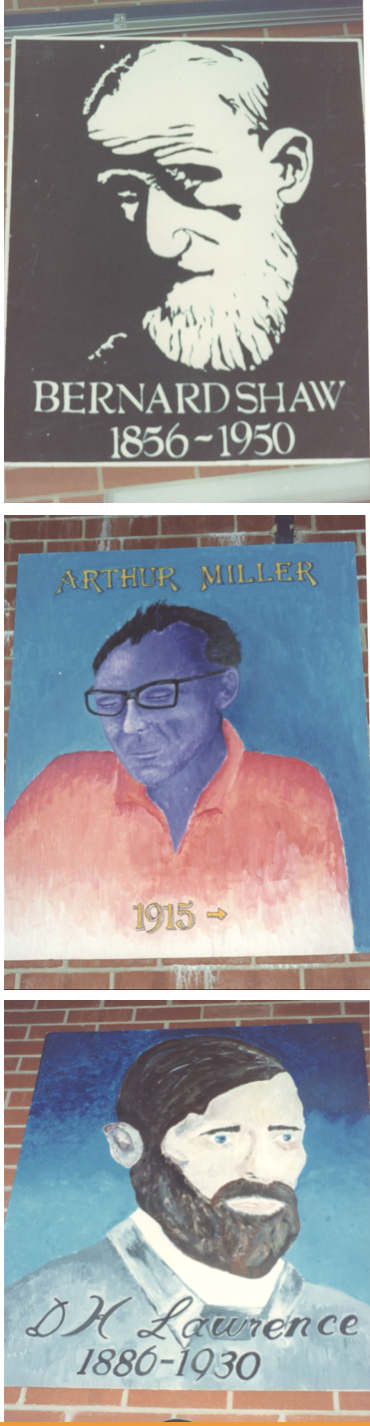
Images by Robin PascoeTaken at Woodvale SHS

Images by Robin Pascoe

Taken at Woodvale SHS

Schools, particularly secondary schools are anonymous spaces. I envy the capacity of the primary teacher to take a classroom and personalise it for the teaching and also for this year’s students. That’s not always possible in secondary schools where purposes are multipurpose.

I am interested then when I can find examples where teachers have added value to their spaces. These images show how one teacher commissioned her visual arts students to create large posters of playwrights. They are displayed on the walls of the Performing Arts Centre. 

How can you personalise your drama teaching space?

P.S. Who are other “overlooked” and “out of fashion” playwrights who deserve to be given another look in the 21st Century?

We think of Lawrence as novelist and poet before playwright so it’s useful to remember him in this role (and to keep alive the spirit of GBS). 

IN 1913 D. H. LAWRENCE spoke of his plays as relaxation from the more arduous work of novel writing: "I enjoy so much writing my plays-they come so quick and exciting from the pen-that you musn't growl at me if you think them a waste of time."l Although he wrote seven plays and a fragment,2 Lawrence didn't take his dramatic work very seriously. (From Waterman, A.E. (1959). The Plays of D. H. Lawrence. Modern Drama 2(4), 349-357. doi:10.1353/mdr.1959.0053.)

Drama Tuesday - Circling back to the beginning

From time to time in our professional lives, we turn again to ideas from the beginning. 

Screen Shot 2021-06-01 at 10.50.15 AM.png

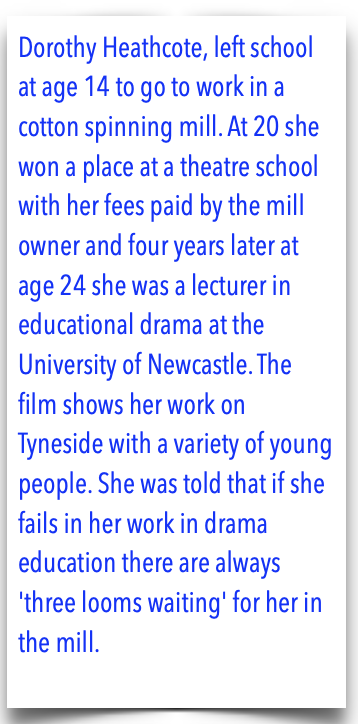
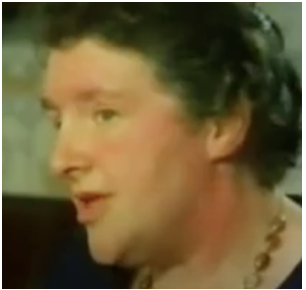
In 1974 (in the last century) in studying my teaching major for Speech and Drama, we were introduced to the video documentary (on one inch videotape) Three Looms Waiting about the work of Dorothy Heathcote (1972). I found her work inspirational and influential.

Heathcote influenced many drama educators (not without some controversy). She had a long career and visited many places. Her work was written about. She wrote herself about her emerging ideas about the field as it was becoming more widely accepted and practiced. 

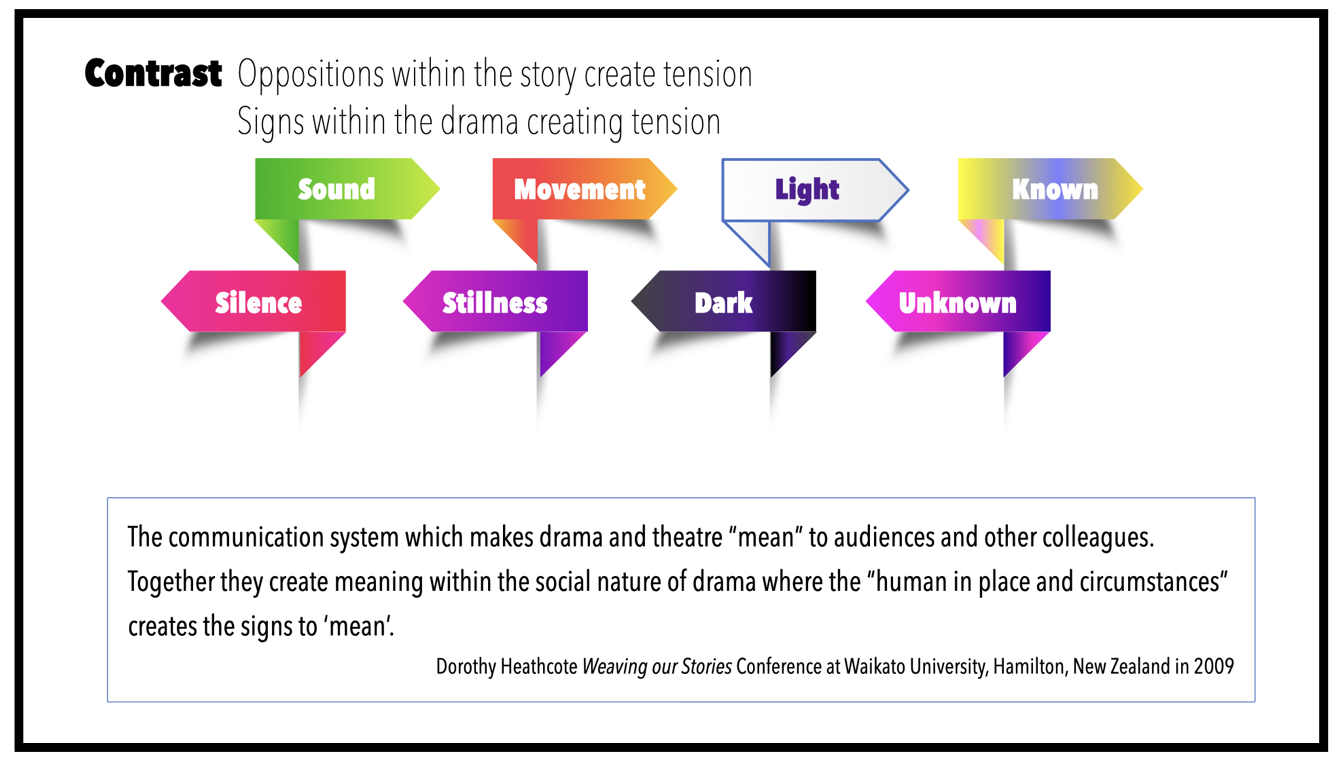
This post is prompted by coming across the words of one of Heathcote’s last workshops in New Zealand in 2009. In that year Heathcote gave the keynote address at the Weaving our Stories Conference at Waikato University, Hamilton, New Zealand. Entitled, Mantle of the Expert: My Current Understanding, Heathcote was typically pragmatic  reminding us that This will not be an academic treatise. I'm a practising teacher still – learning as I go.

Three Looms Waiting is available on Youtube

Three Looms Waiting is available on Youtube

The original document is handwritten (as is so often the case – I have another of her handwritten transcripts from a presentation in Turkey around the same time). The  transcription was made by Dianna Elvin and published by Dr Viv Aitken (see Viv’s website: https://mantleoftheexpert.co.nz/new-blog-mantle-of-the-expert-my-current-understanding/)

For a detailed commentary on this text, please visit http://vivadrama.blogspot.co.nz/ .

This is a long winded introduction to thinking about one – just one – of Heathcote’s ideas that has been like a beacon in my own understanding and thinking.

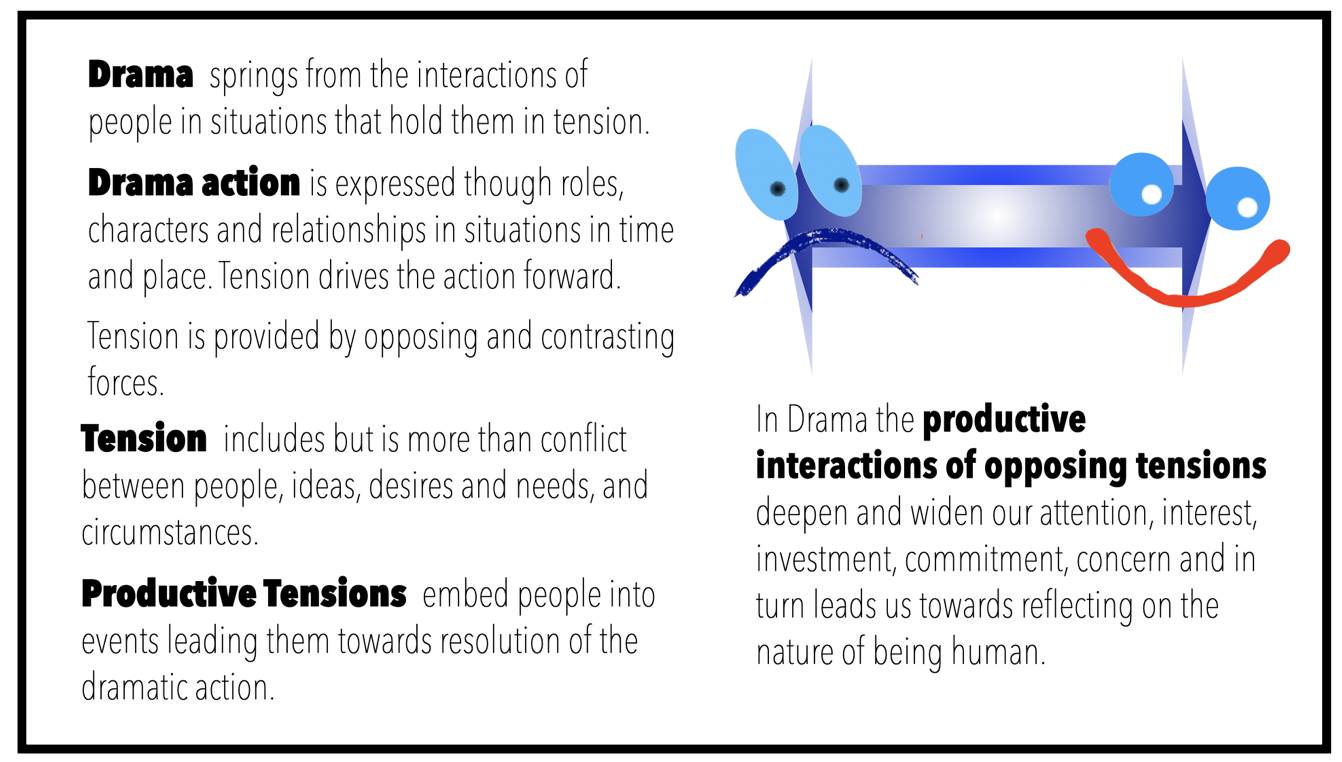
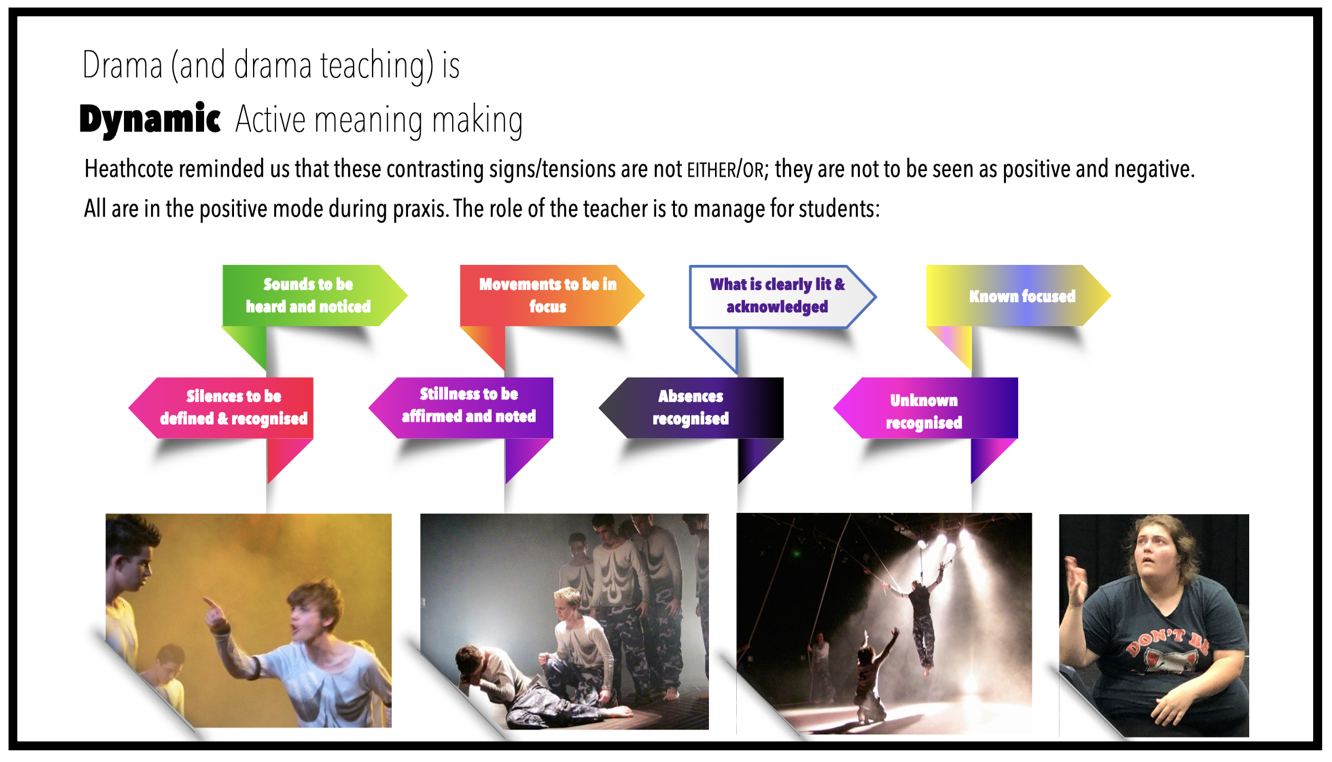
The DNA of drama is the contrasting impulses of tension

I have made a short video to focus on these ideas and also include the slides themselves.

Screen Shot 2021-06-01 at 10.51.46 AM.png

Bibliography

Heathcote, D., Smedley, R., & Eyre, R. (1972). Three Looms Waiting. London: BBC TV.

Music Monday - And into another lockdown we go…

Today was the first of 3 days of stage one restrictions being reintroduced here in Western Australia, in response to an outbreak of the Delta variant of Covid-19 in Sydney and a case brought home to Perth by a traveller returned from the east coast. By 8pm the 3-day restrictions had developed into a 4-day lockdown from midnight. 

Australia has an embarrassingly low rate of vaccination – less than 5% of our population is fully vaccinated. Compare that with around 59% in Israel and 45% in the USA, to name just two of the many countries ahead of us. I sense that it’s not the anti-vaxxers here (though they are out in their minority with rattlings of ‘it’s a worldwide experiment’ etc), but more the  sense of ‘she’ll be right, mate’ complacency which comes from living in a country where the rate of infection has been relatively low throughout the pandemic. 

Our Australian government responded firmly and effectively at the start of the pandemic, following health advice rather than the political polls, to ensure that Australians stayed safe. Unfortunately, they took a too relaxed approach to rolling out the vaccines, contributing to our current situation.

So today at school, the students were back in masks, never ideal for singing. It is the last week of an 11-week term so as far as possible, I tried to make each voice lesson about the preparation for next term. Where singing had to occur, I encouraged the students to sing lightly and rest frequently if they felt too constrained behind their fabric. 

After school we ran a rehearsal of Matilda (Junior Version) as that performance is scheduled for the 2nd week of next term. Again, the kids sang lightly in masks while the director and I struggled to hear them – but at least they rehearsed the blocking, choreography and music accuracy.

Earlier in the school day, I couldn’t help observing, as I walked past the school gym, that around 30 students were exercising without masks – properly spaced, as the regulations require – but shouting and calling out to each other as they chased a basketball. This struck me as a metaphor for Australia’s response to Covid-19. The Arts are constantly locked down while large sporting events have still gone ahead. Are Covid-19 aerosols just more contagious when sung than when shouted out of someone’s mouth?

And so we start another lockdown. Everyone on the planet knows what to expect from that. Let’s hope that lockdown fatigue inspires more and more Australians to get vaccinated so that outbreaks in the future are significantly curtailed.

Drama Tuesday - Belonging

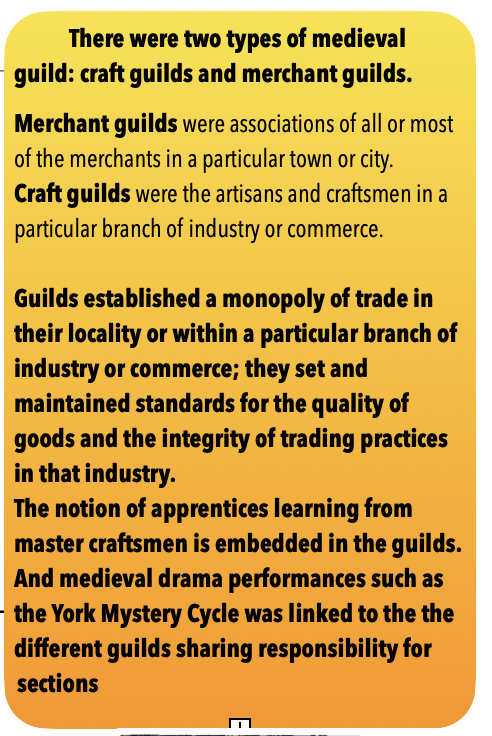
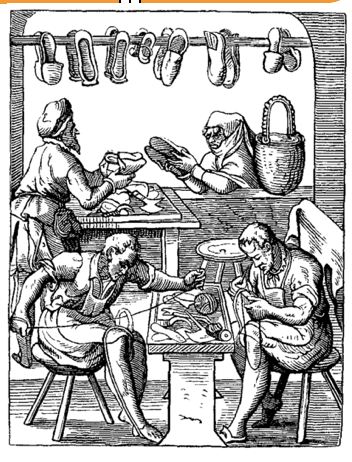
What does it mean to belong to a community – a guild – of drama teachers? 

Screen Shot 2021-06-01 at 10.45.09 AM.png

In setting up the drama teaching course at Murdoch University in 2002 I involved two metaphors

  • building a reporter of resources to support teaching drama on Day 1

  • enrolling students in a guild or association of drama educators.

It is useful to think about why I find the concept of belonging to a group of drama educators an important foundational concept. 

It is not simply because as a graduating teacher i had impressed on me the importance of belonging. Though that is part of it. I have in professional life always been a joiner. 

This post is reflecting on the role of belonging. 

Teaching drama can be isolated. Unlike, say, teaching English, in many schools, as drama teacher you are on your own because there may be only one of you in a school. 

There are many ways of belonging to a community even if you are a one person band. 

  • You can establish networks and use buddy systems.

  • You can be a member of a community when you are not physically located together.

  • You can belong to a virtual community.

  • You can belong to a corresponding community exchanging emails and snail mail and telephone calls.

  • You can belong to a community by reading what others say and write and do by reading professional journals.

  • You can contribute to your professional community by writing of your experiences in professional journals yourself.

  • You can take responsibility for the future of the community. You can be a leader and a worker for the field. You do that from inside your drama workshop but also beyond. What you say and do with colleagues in your school, in your profession is a necessary part of contributing to the future of drama as a part of the curriculum for all students.

Belonging means that we don’t need to reinvent the wheel every time

Drama Victoria Facebook

Drama Victoria Facebook

One of the difficulties for productive and creative teachers is that they often reinvent their  particular wheels. Rather than efficiently re-using and re-cycling their teaching notes and resources, they make new ones each year. 

So, isn’t the issue: how do we better organise our pool of resources so that we can effectively and efficiently access them when we need to? And adapt them as our thinking about teaching drama changes, develops and grows

Using available resources better

Similarly, there seems to be a rejection of commercially published materials and textbooks. While I have never been able to use one textbook and one textbook alone, I do draw from many sources in my own teaching. But the most useful resources are people - and that brings us back to why it is necessary to have a sense of belonging.

Music Monday - Enthralled in the moment

Screen Shot 2021-06-21 at 9.05.52 PM.png

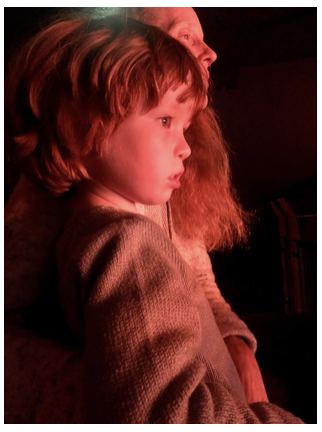
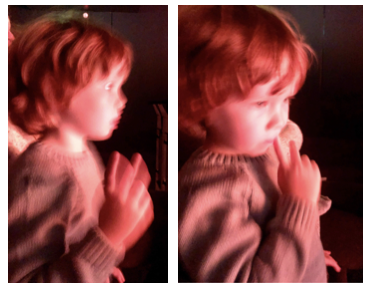
 Our grandson, William (aged 4 and three quarters, as he insists on telling us) was in the audience of the John Curtin College of the Arts production of Mary Poppins. Cousin Janet sneakily managed an iPhoto portrait as William watched, his face lit up by the reflected light from the stage.

He knew the words to songs like Supercalifragilisticexpialidocious. and sang along. 

He was amazed at the animals in the toy box coming to life. 

In the interval, he wriggled and danced (and spilt his bottle of water).

In the second half his attention waned a little (and he missed the spectacular Step in Time because he had to go to the toilet with his mum). He got back to his seat just in time for the reprise.

After the show, I took him backstage (I was one of the vocal directors on the show)  He shook hands with Bert whom he could name from the show.  

Screen Shot 2021-06-21 at 9.05.58 PM.png

When he was taken out on the stage itself, behind the closed curtain, his hand gripping mine was tighter and tighter. The following day I asked him why he seemed nervous on the stage itself and he revealed that he was afraid that the curtain would open again and that he “didn’t know the words.” Cute - but in his childlike way, an understanding of the process.

We cannot overlook how important it is for kids to see theatre live, to experience the transformation in themselves when their eyes, ears and imaginations takes them somewhere different.

Nor, how important it is that before, during and after the experience, we share ways of making meaning of it. Before going to the production I sat down with him on a wet Sunday afternoon and we watched clips on YouTube of the songs. We then sat at the piano and sang through those songs from the score. And the day after the event, he was telling us to Step in Time. Step in time. as he beat the rhythm with his feet and mimicked the tap routine.


Music Monday - How often do I need a music lesson?

This year has marked a significant reduction in singing lessons at the tertiary institution I work for. Driven by budget constraints, the students are now provided with fortnightly lessons, where previously they were weekly. Furthermore, there are a number of non-teaching weeks in each semester (rehearsal, production and performance weeks) when classes are cancelled, so, in fact, the fortnight’s gap between lessons often becomes several weeks. In 2021 there are a total of 12 lessons per year in the 1st and 2nd years of the bachelor degree and 10 lessons in the 3rd year.

At the same time, in my other workplace, a specialist performing arts high school, there continue to be weekly lessons (40 per year). The irony has not been lost on me when sending home an email to the parents of a student who has missed a lesson – “only 8 more lessons this term – don’t miss any more!”

This strange 2021 dichotomy between my two teaching environments has set me thinking about how many lessons we actually need at the various stages of our training.

As a young child with a live-in piano teaching grandmother, I was used to the pupils turning up at their regular weekly lesson time. I guess the weekly lesson meant that each family’s household calendar was straightforward. Certainly in the beginning stages of learning any instrument (including the voice), regular lessons ensure that mistakes are not too practised in before correction by the teacher.

In my role as a high school voice teacher, I wear several hats – simultaneously I am teaching vocal technique, music literacy, interpretation skills, to name a few. The students need the weekly contact to maintain their growth and development.

In the tertiary environment, our 1st year students come from a variety of musical backgrounds. Because they are music theatre students, their individual skill levels vary. Some are strong dancers and inexperienced singers. Occasionally I have had a student with a prior degree in voice. The so-called triple threat encompasses singing, acting and dancing and no one starts the degree with equal skills in all three – I mean, why would they bother to do the course? It is very frustrating to be limited in how much instruction we can offer the beginners, who really need correction and guidance in the studio on a weekly basis.

If a reduction in practical training is to be a thing of the future, how can we fill the gaps?

Students could, of course, seek private teachers outside of the institution. The obvious benefit is the increased number of lessons. The potential downside is differing teacher approaches, which could be confusing in the early stages of training.

Technology offers some solutions. Although I am not a huge fan of the zoom music lesson – mainly because of the time lag involved – I do find that students benefit other uses of technology, such as submitting practice/ performance videos for teacher viewing and feedback. Is technology the way of the future here?

However, one thing that becomes clearer to me with every passing year is this – unless there is an investment in significant practice routines by the student, the number and frequency of lessons is irrelevant. A student who doesn’t practice will make as little progress with weekly, fortnightly, or even monthly lessons. But a student with good practice habits is going to progress faster with more regular instruction. Your thoughts?