
Drama Thinking - Part 6
/Finding the stories for drama
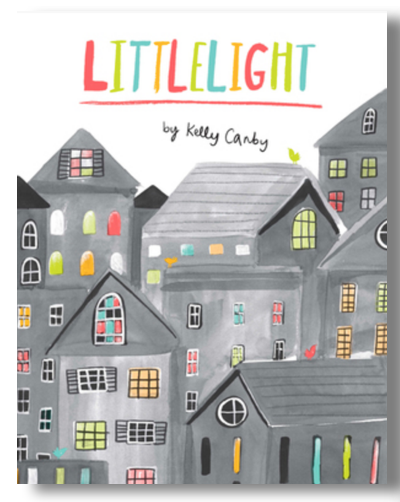
The town of Littlight and its people live in a grey and lifeless community, dictated to by the Mayor, an autocratic man who fears change and difference. Mysteriously, the brick walls surrounding the town start to disappear and as they do so, light, colour, sound and eventually people start to appear through the every enlarging holes.
This is a story about one person setting of a change reaction - about celebrating difference, tolerance and not just being open-minded to those who live different lives, but being open enough to embrace and enjoy their differences.
The illustrations are simple and stylistic - quite childlike. Stark shades of grey depict the township except for one bright, colourful girl and a ladder. As the bricks disappear psychedelic colours leech through along with small differences to start with - as brightly coloured birds start to emerge. As the holes in the wall grow larger we get glimpses of different people doing different things - cooking, dancing etc with different senses being awoken but the Littlelight townsfolk. The Mayor is angry, and at first the people are frightened of something new and different but as the colours take over their community they become happy and cheerful. The vivid endpapers are filled with bright and colourful houses side by side and provide a good talking point.
A frequent question I am asked is about the stories I use in drama workshops: where do you find the stories?
I find stories for drama literally everywhere.
I am always looking for stories for drama.
You might find me in the children’s picture book section of the book store. Or, I might see something in a newspaper clipping. Or, a friend might tell me a story from local history.
For example, in the children’s section of a bookshop and found a new book by a Western Australian author, Kelly Canby, called Littlelight (2020). Immediately, I could see the situation – a town that is walled in – and the roles – the pompous mayor and the fun-loving stealer of the bricks in the wall. I could use the Drama Thinking processes described in earlier posts to generate dramatic action that can help students understand important life issues.
Another time the same bookstore I saw The Wanderer by Peter Van den Ende (2020).
At once I could see a starting activity of making paper boats and talking about them – an activity outside the frame that enables us to edge into the drama where we take on roles.
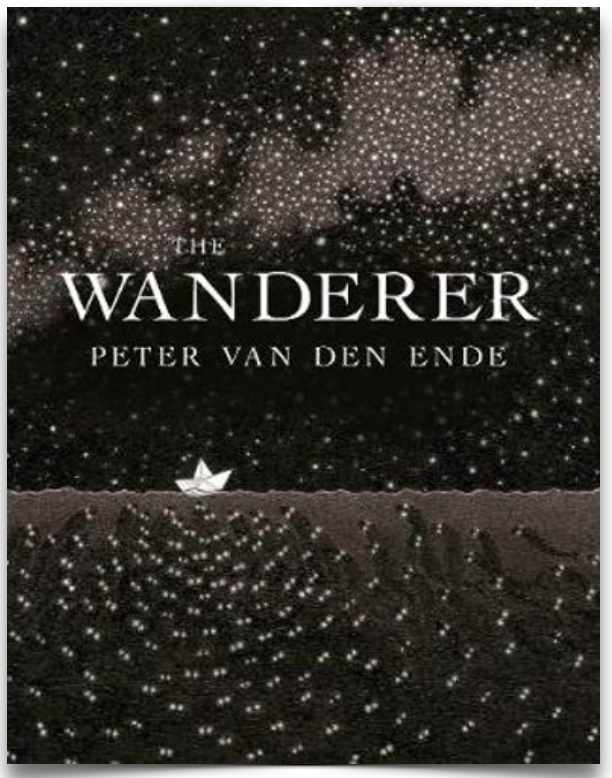
A little boat sets out to sea and begins its voyage toward home. To get there it must travel across many strange, beautiful oceanscapes, full of fantastic creatures and deadly monsters, swept by terrifying storms and sailed by mysterious ships. Can the Wanderer pick a path through all these perils to a safe harbour?
The story itself is so open ended. We could springboard from images in the book itself. Each of the images could provide an episode for a drama activity.
Or, we could invent our own adventures and places for the little paper boats to be travelling.
These sorts of picture books are so great for generating drama thinking ideas.
Generative stories are rich with potential drama.
They enable us as drama teachers to work between the
narrative threads to find the drama.
They focus on human experience that can be shared in embodied ways.
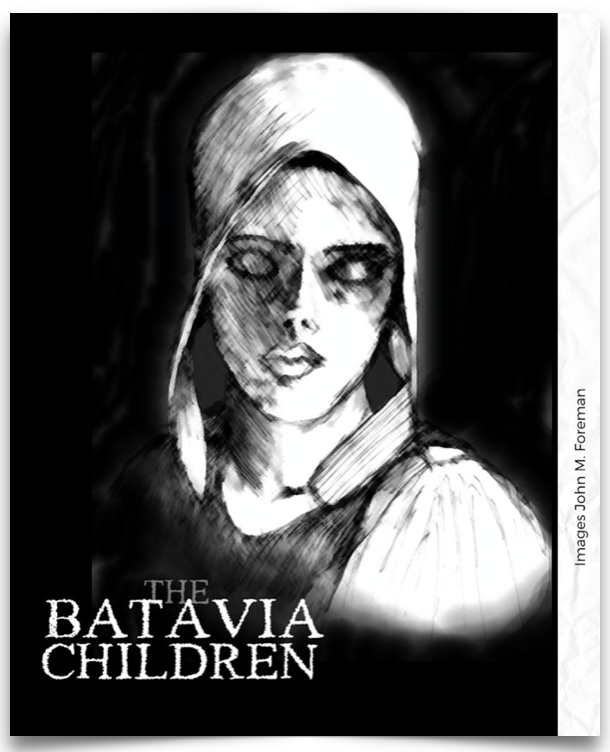
Similarly, a friend told me the story of the shipwreck off the coast of Western Australia – quite infamous for the bloody insurrection and mutiny and the terrible justice imposed on the mutineers.
what her was fascinated about was that in the party of several ships in the convey making the journey from Amsterdam to the Dutch East Indies, there were many children.
I thought about the potential for drama in this story from our shared history.
Stories don’t have to be written down or published in books.
Just as Drama reflects life, so too, all of our lives can be the source for good drama lessons.
They open doors to Process Drama activities.
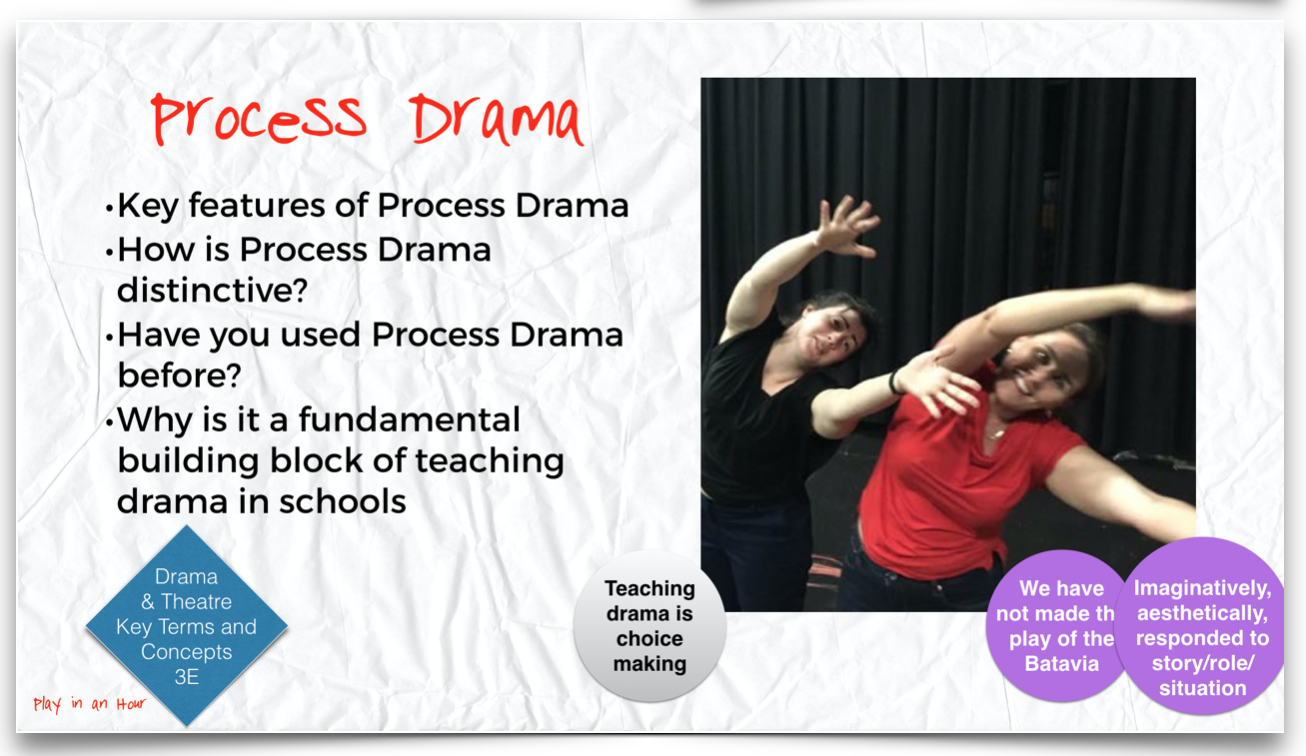
With my teacher education students we worked through the Process Drama of the Batavia Children, to learn about Process Drama.
An associated question I am sometimes asked: Why do I use stories for drama?
My job as a drama teacher is to help students learn about drama - using the Elements of Drama to express and communicate ideas and feelings as well as to understand and respond to drama.
Stories are ways of embedding these important elements into packages that. Help students learn.
Of course, there are times when I plan a drama based on a concept – such as using voice dynamically to create character. Or, teaching about the important ideas of Brecht as a playwright and director that have influenced contemporary drama. So there are drama lessons that don’t necessarily start with a story. I can start with a specific lesson concept in mind. But even then, I try to find a way of bringing it to life through including part of a story.
But there is nothing to match the power of a generative story to hook and engage students. Into that story, I can embed important conceptual and practical learning.
In overview, this series of posts have focused on the ways that we as drama teachers move from a starting point – often a story – through processes of drama thinking linked with my portfolio of Drama Teaching and Learning Strategies. Through these processes, I am in a position to create a specific drama lesson plan.
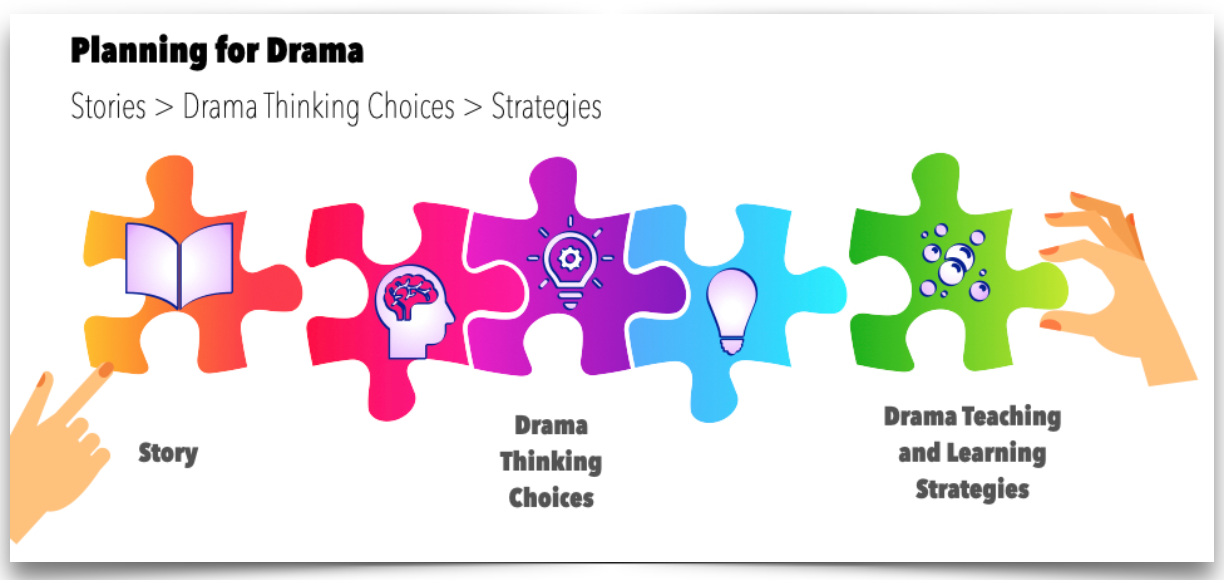
My planning often looks something like this:
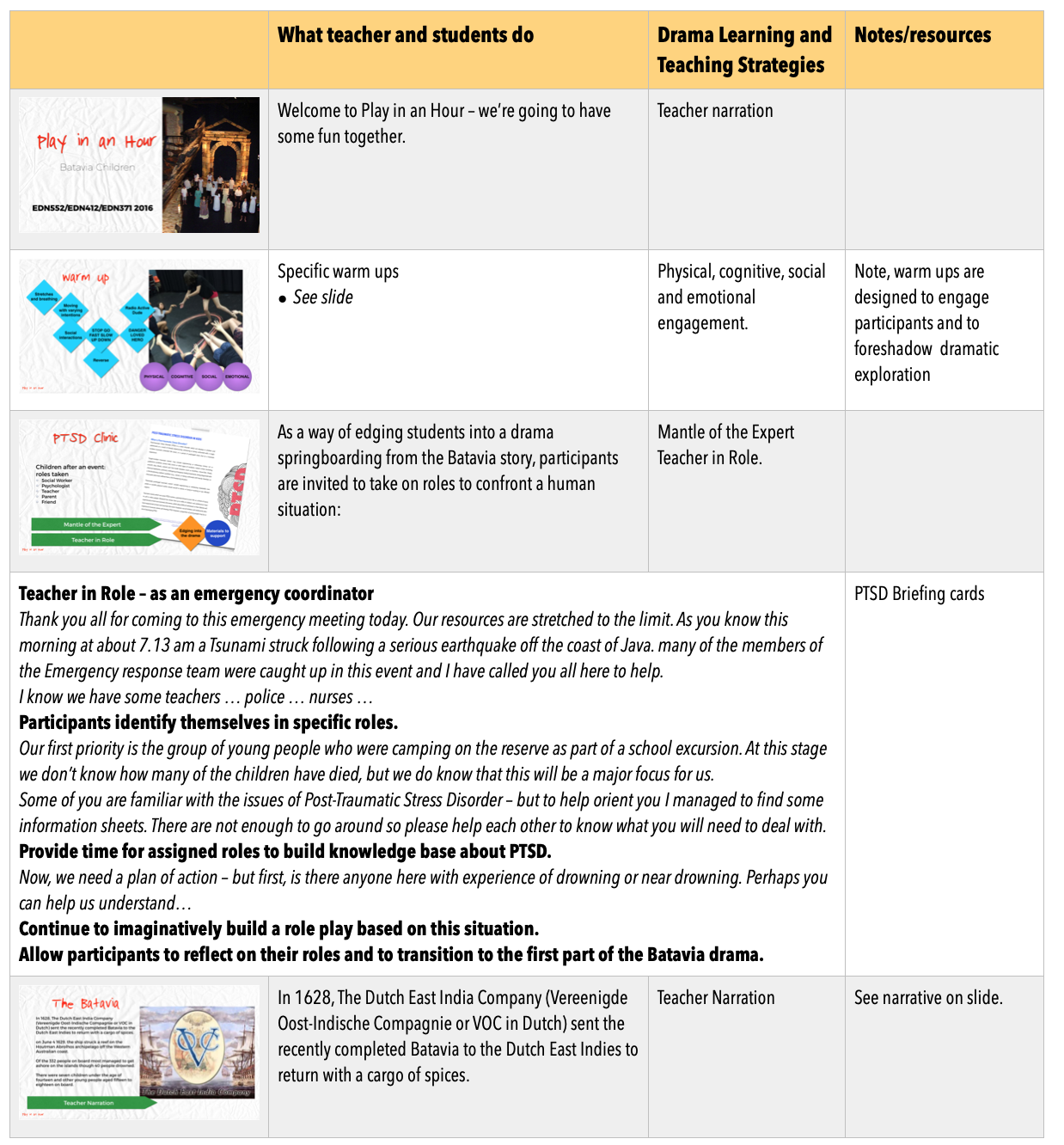
Excerpt from Batavia Children Process Drama Planning
Bibliography
Canby, K. (2020). Littlelight. Fremantle, Western Australia: Fremantle Press.
Peter Van den Ende. (2020). The Wanderer. San Francisco: Chronicle Books.