
Antigone - Act3 2025 WAAPA student production, Studio Underground Theatre
/Act3 2025 WAAPA student production, Studio Underground Theatre
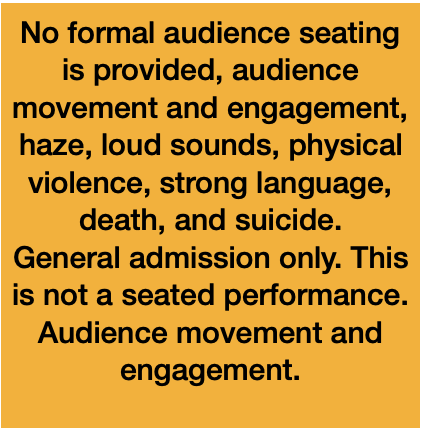
A standing performance.
The audience wait and then stream down the stairs to enter the vast open black space of the Underground. In the middle of the space, a chorus of 8 arranged artistically on a small square low rise podium. The audience hug the walls. The ushers offer a few people assistance with folding chairs but most agree to stand. The wafting music stops.
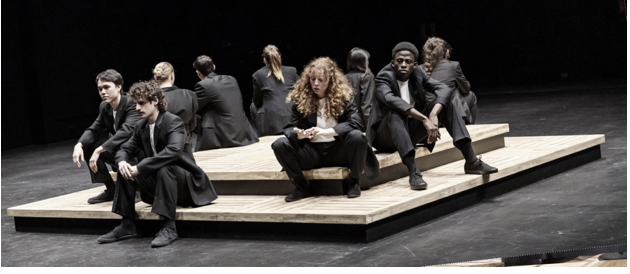
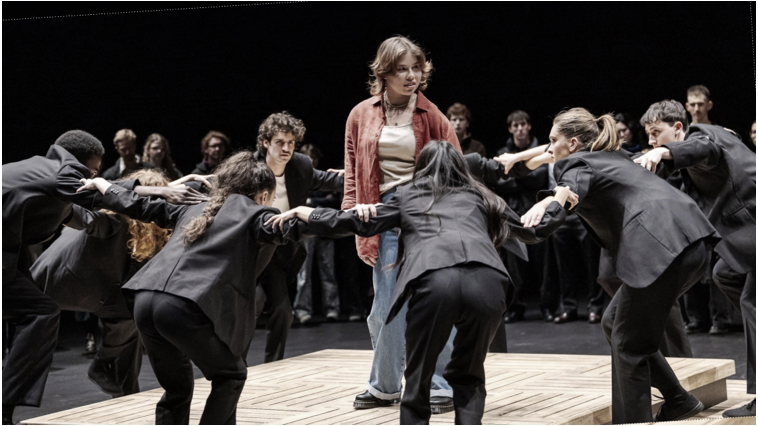
The chorus in simple black suits and white t shirts, galvanise into a chanted and stomped opening. Ritualised gestures. Energy focused. All culminating in a mandatory circle of Greek vine dancing.
On the podium, a slow motion fight of two soldiers in battle fatigues.
The audience are drawn closer to the podium.
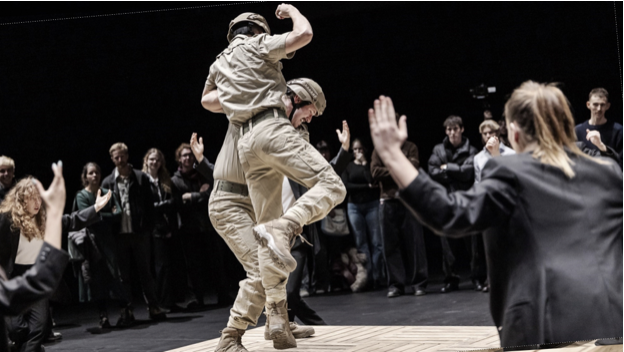
Antigone’s defiance of the decree against offering burial rites to her dead brother is boldly declared from the centre stage podium while her sister Ismene’s response is circled behind the audience.
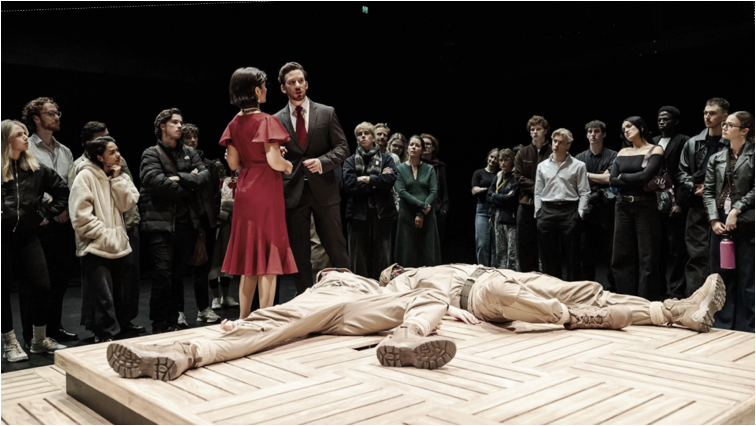
The mime show of the battle is recreated and Creon enters to assert unyielding authority. The thesis of the play is the grappling with questions of justice, loyalty, and the consequences of defying the state.
Enter the comic timing of the Guard who drew the short straw to tell Creon of Antigone’s defiance.
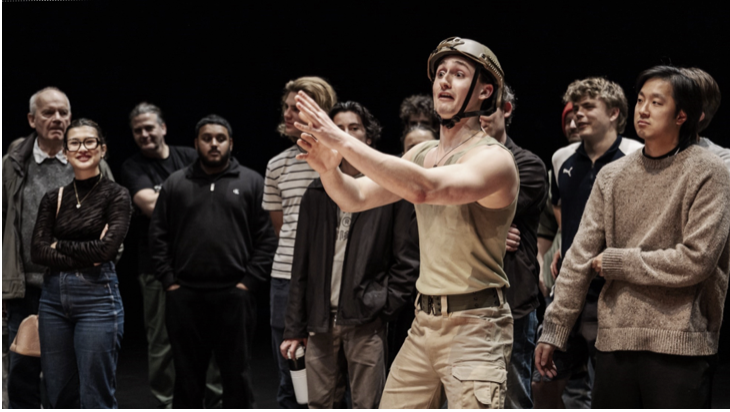
And so the play unfolds in a short 1 hour and 15 minutes.
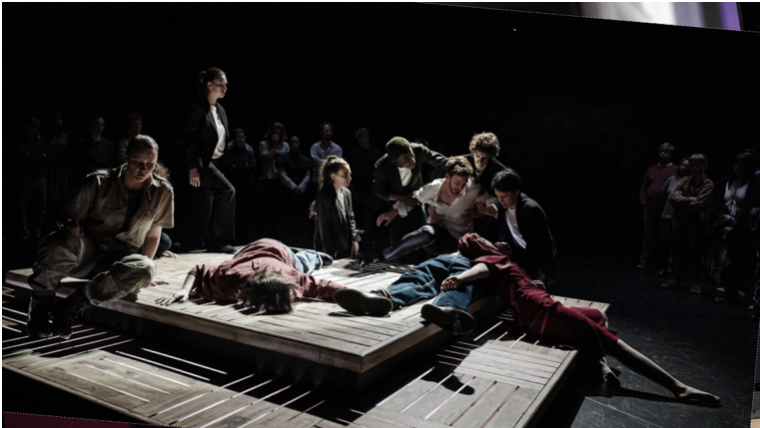
We witness Antigone’s declaiming (a shouty harshness). Haemon questioning of his father Creon’s rigidity.
The descent into Creon’s destruction.
It is always curious that this play is called Antigone, when the arc of tragic flaw is actually Creon’s.
Overall a strong production – a project under the direction of Cheek by Jowl, the international theatre company of Declan Donnellan and Nick Ormerod (who many moons ago were featured in the Festival of Perth at the Octagon.
The splendid images in the online program capture the experience powerfully.
There is much to value in this production for drama students.
Skilful integration of audience and action. Strong spirited performances (though Creon’s son looked older than Creon).
It was great to see across the space the engrossed faces of school students engaged with the performances.
This production should inspire some interesting experiments and investigations. I can’t wait to see what those students might do with a different text handled in this way.
And, we did manage to survive the standing production (groaning knees and back, of course).